
MCT System · Preset
MCT Exosomes
Tailor-made secretomes via photothermal biomodulation.
Blue light
With controlled temperature
Enriched secretome
Extracellular vesicles & growth factors
Autologous
Exosomes at the point of care
What it does
The MCT System stimulates the release of autologous exosomes and extracellular vesicles for clinical use.
Beyond cell-based therapies, focused on clinical outcomes.

Growth factors
Photothermal biostimulation elicits controlled and sustained release of growth factors from platelets, achieving a more physiological effect.

Autologous exosomes
Cell and platelet photothermal conditioning stimulates exosome release, resulting in an enhanced regenerative product.

ATP synthesis
Photothermal biomodulation stimulates cellular metabolism and enhances ATP synthesis.
The technology
Photothermal biomodulation
Blue light and controlled temperature, applied to the patient’s own biological material inside the MCT Kit®.
Light · 467 nm
Exosomes and blue light
- Blue light stimulus improves therapeutic effect.
- Blue light exposure elevates miRNA levels and increases proangiogenic capabilities of MSCs.
- Blue opsin photo-transduction is an invaluable tool for cell regenerative power enhancement.
Temperature · 37 °C
Exosomes and temperature
- Temperature increases the frequency of exosome-cell membrane fusion events.
- Exosome release kinetics are faster at higher temperatures.
- Temperature reduces the number of tethered exosomes.
Inside the cell
What happens inside the cell
Photothermal biomodulation, step by step: from the light inside the MCT Kit® to the release of autologous exosomes.
01
Platelets and cells
Blue light and controlled temperature reach the patient’s own platelets and cells inside the MCT Kit®.
02
ATP synthesis
ATP is generated in the mitochondria.
03
Growth factors
Growth factors are released from the alpha granules.
04
Exosome release
Anchored multivesicular bodies (MVBs) release the exosomes.
Autologous vs non-autologous
MCT System delivers autologous exosomes, the natural and compatible messengers of your own body.

Autologous · MCT System
Medical level
- SourceSame patient cells and tissues
- CertificationCE / MDR
- UseInjectable
- ContentReliable
- ResultsSignificant
Non-autologous
Cosmetic level
- SourceAnimal, plants
- CertificationCosmetic
- UseTopical
- ContentUncertain
- ResultsUncertain
Add-on for MCT Exosome protocols
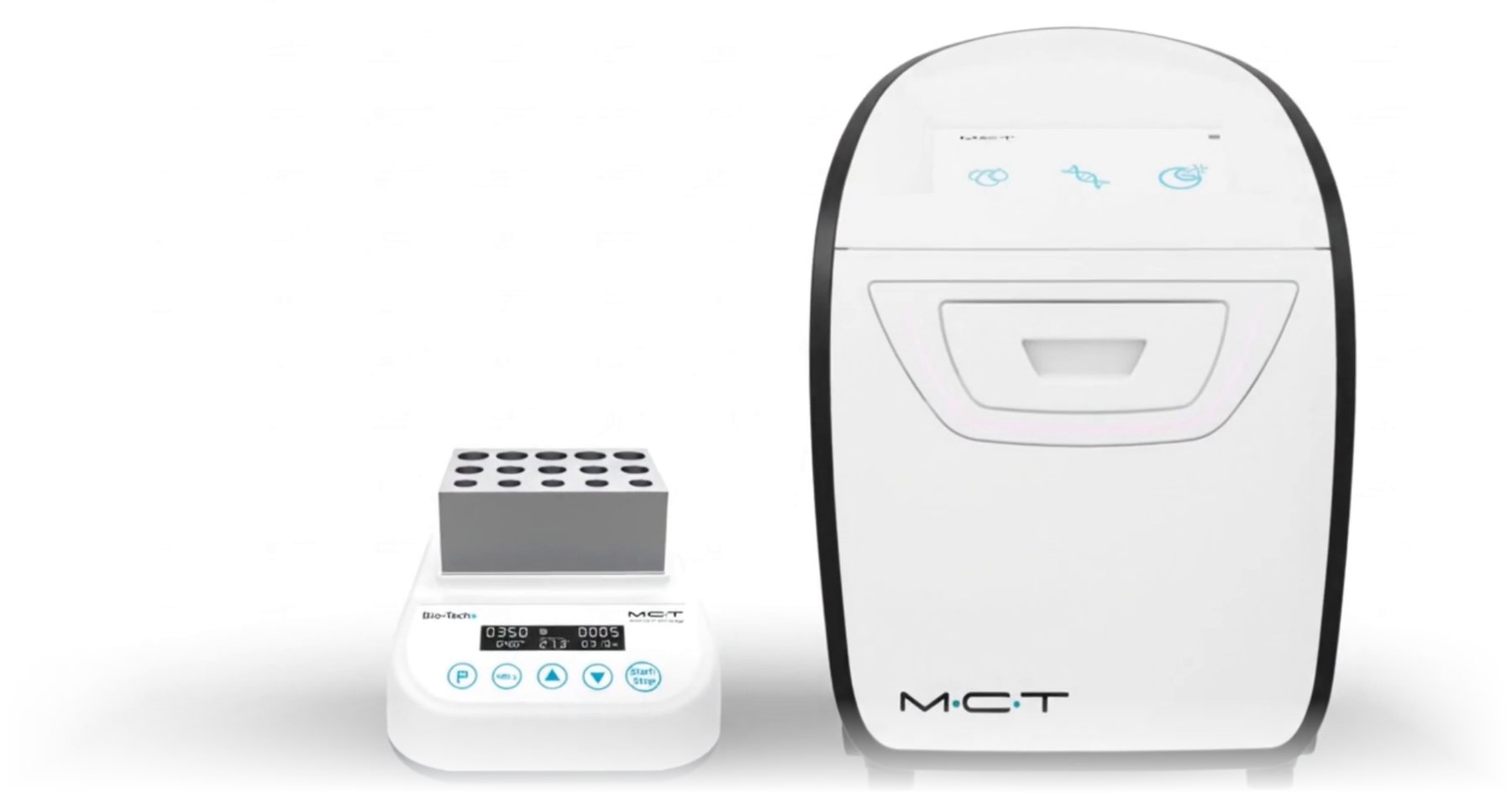
Exo-Tech: MCT Exosomes in a plasma gel scaffold
Exo-Tech turns the patient’s own plasma into an injectable scaffold that holds MCT Exosomes where they are needed.
The MCT System prepares the exosomes; the Exo-Tech Dry Bath builds the scaffold. One blood draw, fully autologous: no synthetic polymers, no foreign material.
MCT R&D
Characterised in our lab
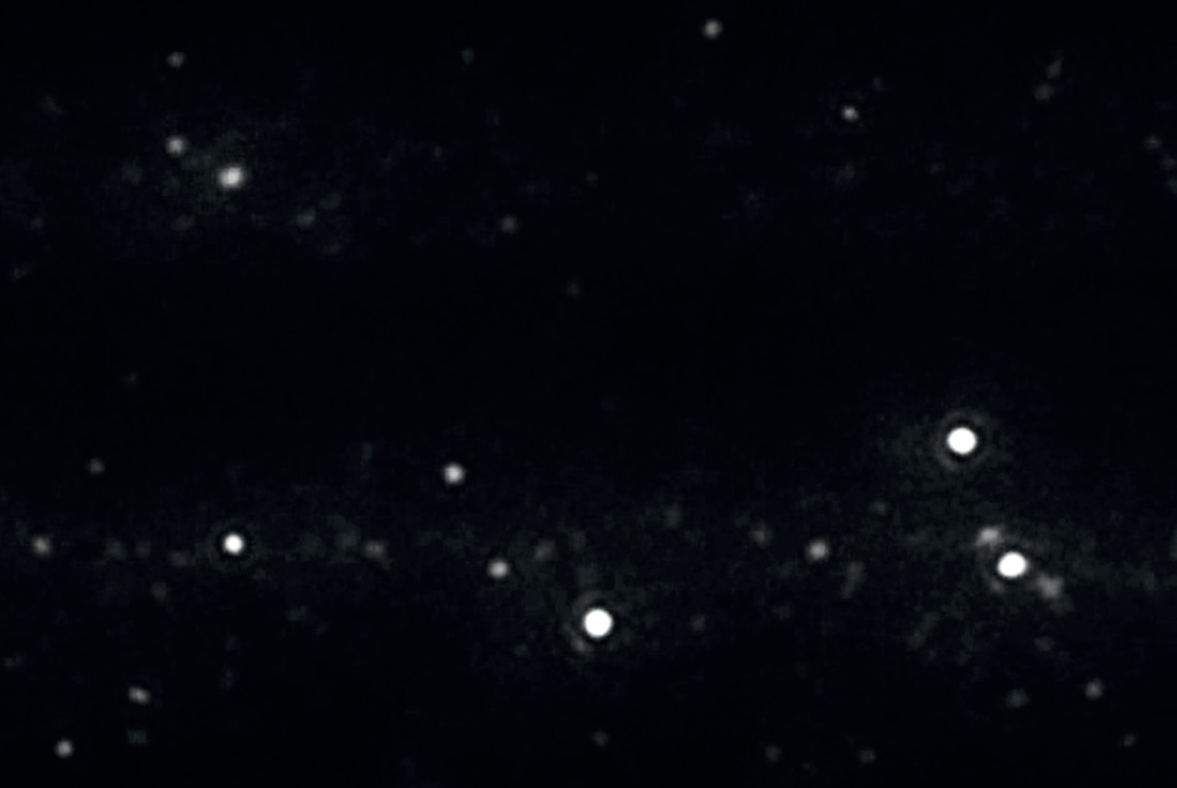
MCT Exosomes obtained from PRP, quantified by nanoparticle tracking analysis (NTA) and imaged by transmission electron microscopy (TEM).
109.2nm
Mean exosome size · NTA
299.3billion
Exosomes / mL per kit · NTA
Exosome protein markers confirmed · SP-IRIS
- CD41a
- CD63
- CD81
- CD9
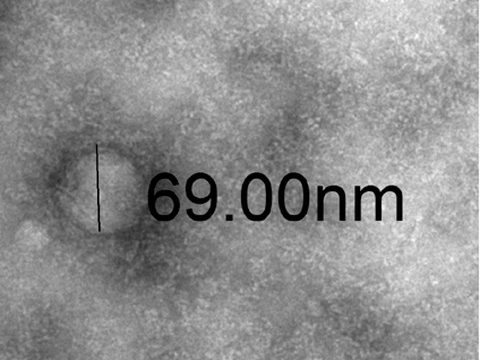
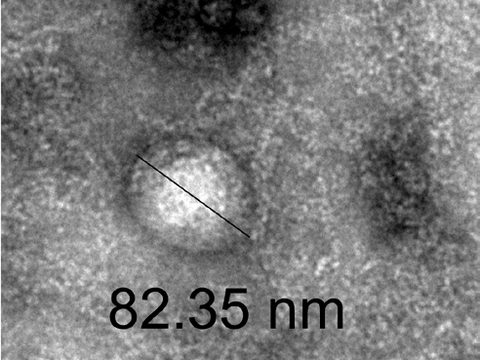
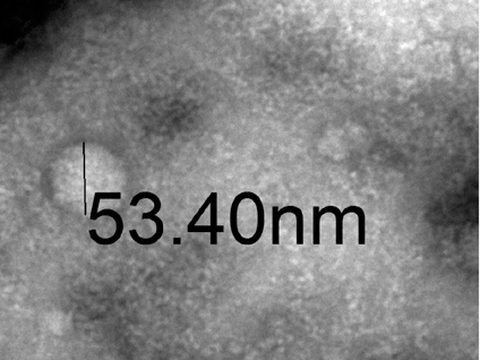
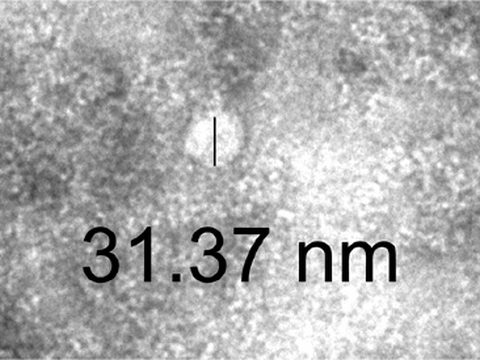
Transmission electron microscopy. Individual MCT Exosomes: spherical vesicles with a bilayer membrane, 31–82 nm.
MCT Academy
Published research on autologous exosomes
Scientific publications and case reports on exosomes from photothermally conditioned plasma, from bench to clinical practice.
Autologous platelet-rich plasma exosome quantification after two thermo-photobiomodulation protocols with different fluences
Journal of Photochemistry and Photobiology · 2025 — Laura Cordero, Joan Carles Domingo, Elena Sánchez-Vizcaíno Mengual, Hernán Pinto
Regenerative Medicine
Human Blood Exosomes: Isolation and Characterization Methods, Variability, and the Need for Standardized Protocols—A Review
Biomedicines · 2025 — Elena Sánchez-Vizcaíno Mengual, Laura Cordero, Hernán Pinto
Regenerative Medicine
Novel use of preconditioned autologous PRP-derived exosomes for partial Achilles tendon rupture repair: A three-week recovery case report
Journal of Orthopaedic Reports · 2025 — Alberto Sánchez Herrera
Orthopedics

