

IMCAS 2025 delivered a clear message: the aesthetic industry is evolving rapidly, with regenerative treatments leading the way. Top experts emphasized the shift toward natural-looking results, advanced skin health solutions, and cutting-edge combination therapies. Here are the key takeaways shaping the future of aesthetic medicine.
A New Era of Natural Aesthetics
Patients are moving away from excessive volumization, prioritizing natural, balanced enhancements. Experts highlighted the importance of precision techniques and setting realistic expectations. Education, both for practitioners and patients, is crucial to achieving the best outcomes.
Regeneration Over Volumization
Skin quality is taking center stage over traditional filler-based approaches. Many new products introduced at IMCAS focus on improving skin elasticity, hydration, and overall texture, reinforcing the shift toward preventative and regenerative care.
The Rise of Combination Therapies
Single-modality treatments are becoming a thing of the past. Experts are combining regenerative solutions like PRP, biostimulators, and energy-based devices to create multi-layered, long-lasting anti-aging protocols.
Addressing GLP-1 Medication-Induced Skin Laxity
With rapid weight loss from GLP-1 medications, traditional hyaluronic (HA) fillers often fall short in restoring facial structure. The industry is increasingly exploring regenerative strategies, such as PRP, radiofrequency, and biostimulators, as potential approaches to support skin quality and address laxity associated with rapid weight loss.
Exosomes & Polynucleotides: The Next Frontier
Exosomes and polynucleotides (PDRN) are emerging as areas of interest in regenerative aesthetics. However, ensuring their safety and clinical efficacy remains a top priority, with ongoing research focused on optimizing their formulation, standardization, and real-world application.
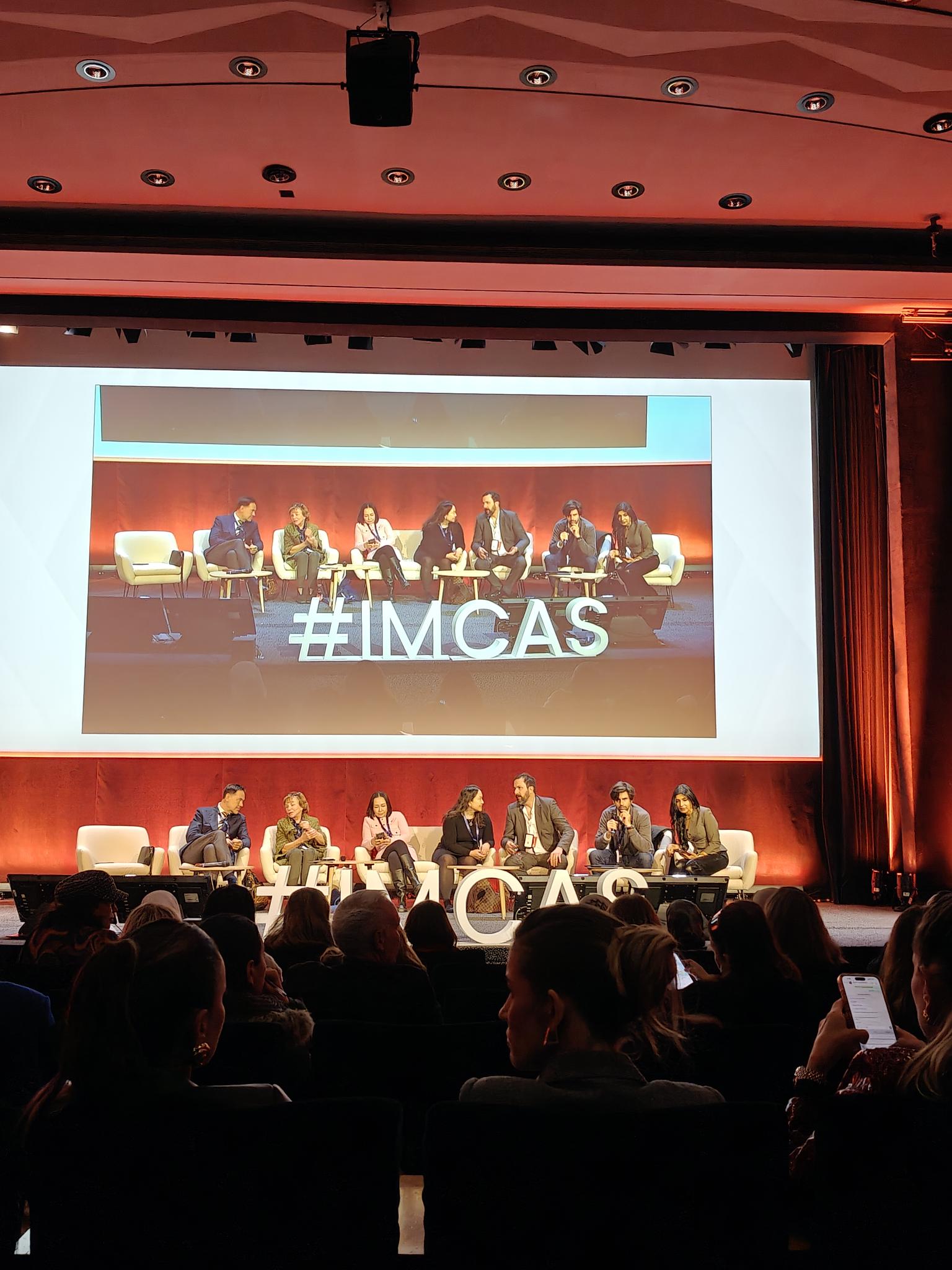
Our Highlighted Talks from IMCAS 2025
Exosome Data & Safety
In a session led by Prof. Jeremy Magalon and Dr. Hema Sundaram, experts tackled the potential and risks of exosome-based therapies.
- Dr. Jane Yoo presented case studies highlighting complications from illegal non-autologous cosmetic exosome injections, including erythematous nodules, post-inflammatory hyperpigmentation, and immune-mediated granulomatous reactions. Her findings underscore the urgent need for stringent regulation.
- Dr. Atchima Suwanchinda shared groundbreaking research on the molecular profiling of adipose-derived MSC exosomes from donors of different ages. Surprisingly, older-donor MSCs released higher concentrations of exosomes, retaining regenerative potential while exhibiting lower inflammatory cytokine expression.
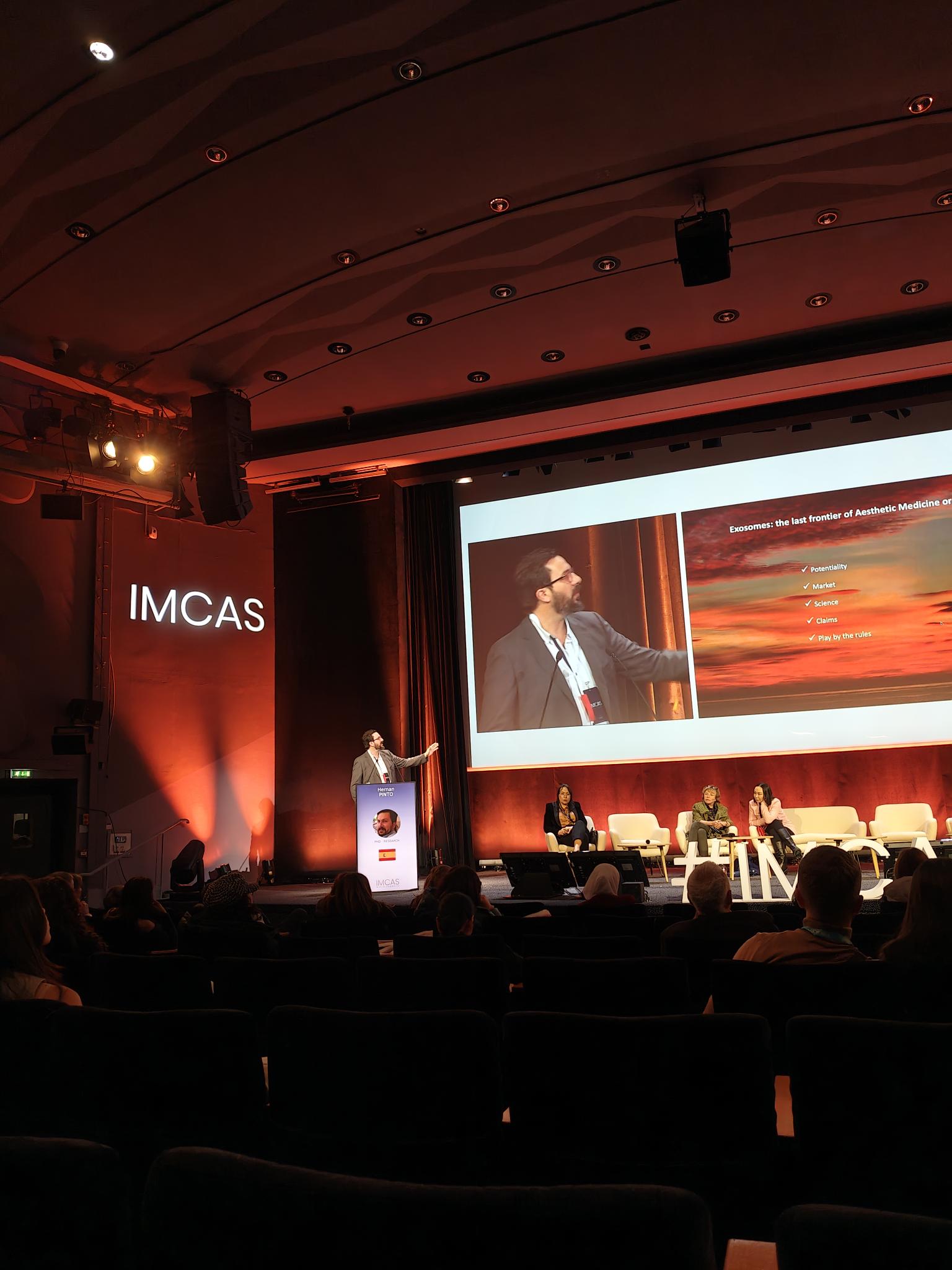
- Dr. Hernán Pinto explored whether exosomes are a true breakthrough or a passing trend, calling for stronger scientific validation of their clinical applications.
PRP Innovations
The PRP Innovations session, chaired by Dr. Jeremy Magalon, Dr. Sophie Menkes, and Dr. Hernán Pinto, introduced new strategies for optimizing PRP quality and effectiveness.
- Dr. Lidiya Todorova highlighted PRP’s expanding role in dermatology and facial aesthetics, particularly in pigmentary disorders, rosacea, acne, and skin rejuvenation. She emphasized PRP’s ability to regulate pigmentation, enhance melanocyte migration in vitiligo, and may enhance collagen stimulation when combined with microneedling rather than fractional CO₂ laser.
- Dr. Patrick Yam addressed the ongoing issue of PRP standardization, pointing out the vast differences in platelet concentration and contamination across commercial systems. He warned that platelet-poor plasma may suppress angiogenesis and hair growth. While hematology analysis remains the gold standard, practical improvements, like second spins and ensuring PRP isn’t transparent, can help enhance quality.
Looking Ahead
IMCAS 2025 made it clear: the future of aesthetic medicine is regenerative, evidence-based, and patient-centered. With advancing research, we can expect more refined protocols, improved safety measures, and increasingly effective regenerative solutions. Staying ahead of these innovations will be essential for practitioners and industry leaders shaping the next generation of aesthetic treatments.
This content is intended for educational use by healthcare professionals and reflects highlights from IMCAS 2025. Some therapies discussed may be investigational or not approved for all indications in all regions. Practitioners should consult local guidelines and regulatory requirements.

