

Advancements in Regenerative Aesthetics: Insights from AMWC 2025
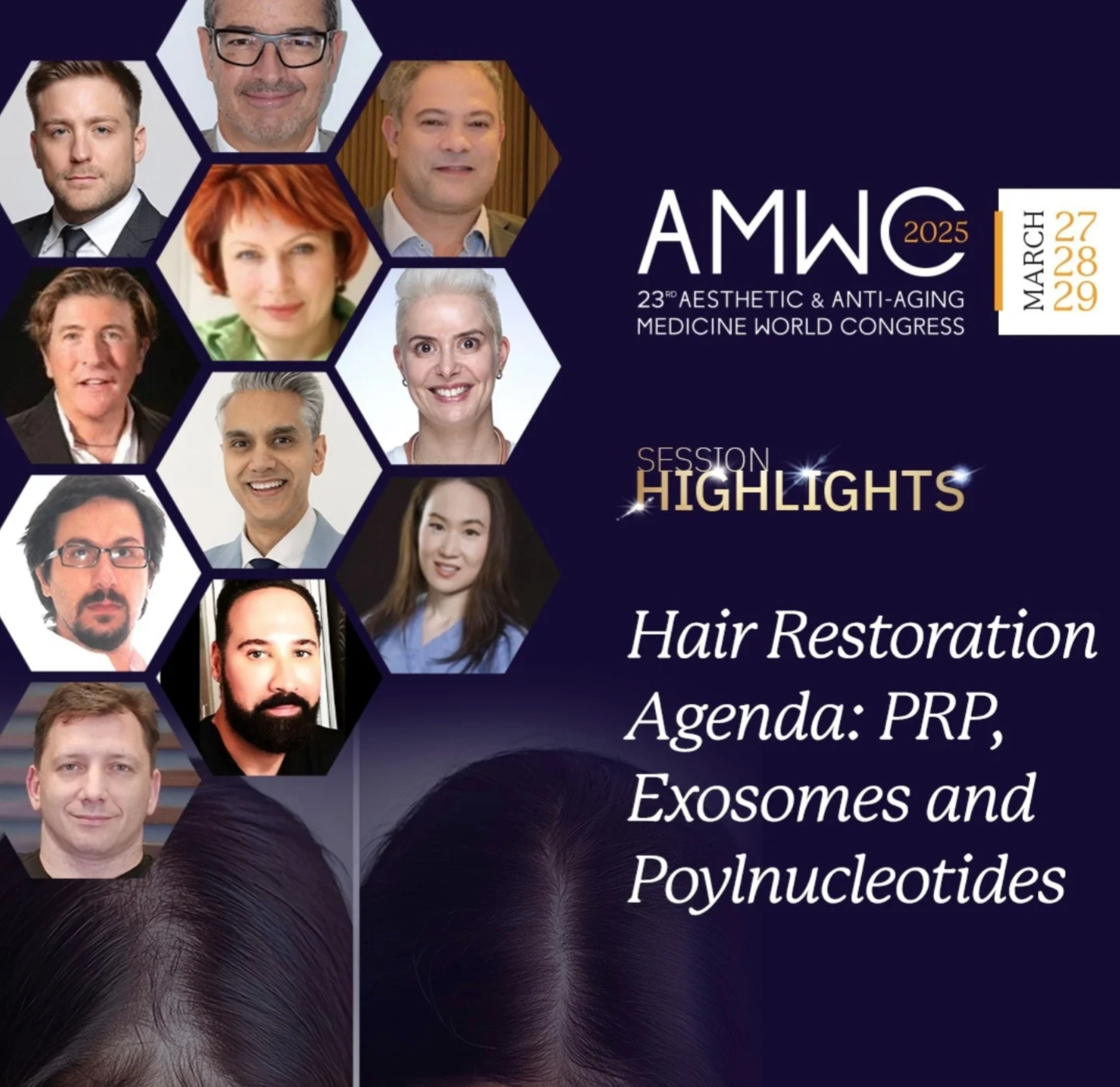
The Aesthetic & Anti-Aging Medicine World Congress (AMWC) offered a compelling overview of the evolving landscape in aesthetic medicine. One of the standout sessions, titled “Aesthetics New Joiners: Regenerative Medicine,” was chaired by Dr. Francisco Llano and provided valuable insights into the integration of regenerative strategies in aesthetic practice.
A Functional and Integrative Approach to Aesthetic Medicine
A key theme of the session was the transition toward a regenerative and functional aesthetic approach—one that prioritizes biological restoration and long-term results over temporary correction. This methodology aims to stimulate the body’s innate healing mechanisms through the application of advanced therapies, including exosomes, polynucleotides (PN), PDRN, and growth factors.
Moreover, regenerative aesthetics extends beyond topical interventions. It encompasses a comprehensive patient evaluation, including lifestyle, environmental exposure, diet, and systemic health. Practitioners are encouraged to design personalized wellness protocols that address inflammation, oxidative stress, detoxification pathways, and cellular health, contributing to improved aesthetic outcomes and overall well-being.
Defining Skin Quality in Regenerative Practice
In regenerative medicine, the concept of skin quality has been redefined using four core parameters:
- Firmness & Elasticity – Relating to structural integrity and resilience.
- Tone & Pigmentation – Addressing color uniformity and vascular health.
- Surface Texture – Including wrinkle depth, pore visibility, and acne scarring.
- Radiance – Encompassing luminosity, vibrancy, and clarity.
These categories serve as a framework for clinical evaluation and facilitate targeted, evidence-based treatment strategies.
Innovative Agents and Modalities
The session introduced several biologically active agents with promising applications in regenerative aesthetics:
- Polynucleotides (PN): Natural DNA fragments that promote dermal regeneration and can enhance the efficacy of subsequent treatments such as laser therapy or microneedling.
- Superoxide Dismutase (SOD): A potent antioxidant enzyme that protects against oxidative stress, supports collagen preservation, and enhances tissue repair.
- Microneedling with Growth Factors: Facilitates controlled dermal remodeling, stimulating collagen and elastin production without significant tissue injury.
- Platelet-Rich Plasma (PRP) and Platelet-Rich Fibrin (PRF): Concentrated autologous treatments rich in growth factors that support rejuvenation and cellular renewal.
- Nanofat and Dedifferentiated Fat (DFAT): Rich in cytokines, growth factors, and vascular components, these substances are being explored for their potential to support dermal density, texture, and angiogenesis.
Biostimulatory Fillers: A Comparative Perspective
A distinction was made between hyaluronic acid (HA) and calcium hydroxyapatite (CaHA):
- HA-based fillers offer immediate volume with high cohesivity and hydrophilic properties.
- CaHA, on the other hand, serves as a biostimulant, encouraging endogenous collagen production and long-term structural enhancement.
Both have specific indications and may be used synergistically depending on patient needs and anatomical considerations.
Advanced Technologies in Regenerative Aesthetics
Laser and energy-based devices continue to evolve:
- Fractionated CO₂ and Erbium Lasers used for controlled ablation and dermal remodeling, with newer protocols enabling quicker recovery times.
- Fraxel is particularly effective for addressing photodamage, pigmentation irregularities, and superficial wrinkles, often in a series of treatments with periodic maintenance.
Senolytics and Anti-Aging Therapeutics
The session concluded with an overview of senolytic therapies and metabolic modulators, which have begun to influence aesthetic and preventive health practices:
- Dasatinib and Quercetin: Under investigation for their ability to selectively clear senescent cells.
- Rapamycin: A promising agent with anti-aging effects through mTOR inhibition, currently undergoing further clinical evaluation.
- NMN and NAD+ Supplements: Emerging studies suggest they may support mitochondrial function, energy production, and cellular repatir.
- Vitamin D and Lifestyle Interventions: Emphasized as foundational to maintaining immune and dermal health.
Innovations in Hair Restoration: The Role of Photothermal Biomodulation
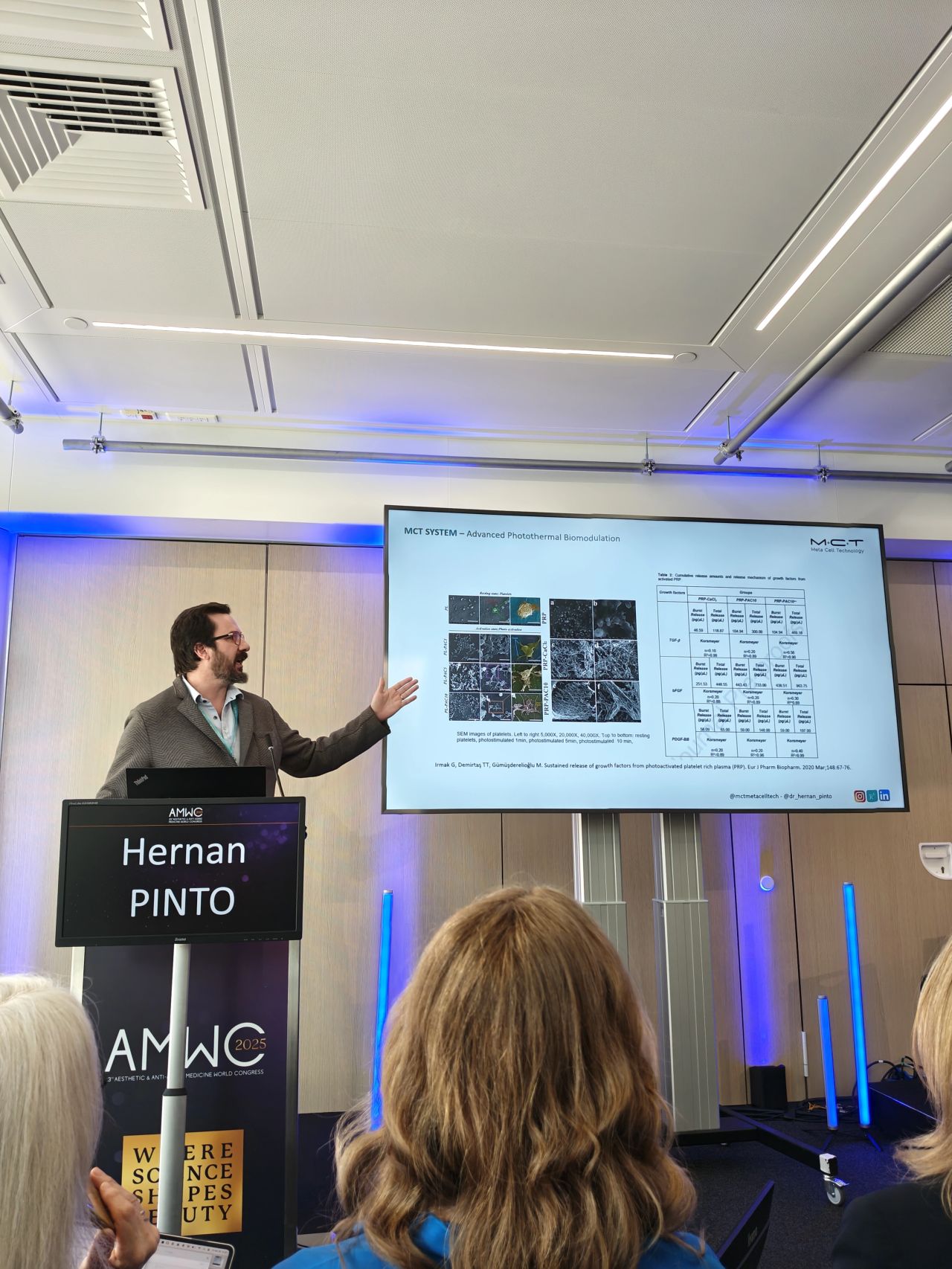
Dr. Pinto introduced the technology behind the MCT System, describing its novel combination of light and controlled thermal energy intended to support the biological activity of autologous products such as PRP and stem cell-derived therapies. This dual modulation approach aims to enhance cellular signaling and growth factor activity to facilitate regenerative processes at the follicular level.
Highlighting a multimodal strategy for hair restoration, Dr. Pinto shared clinical case data demonstrating improvements across various alopecic conditions, including adrogenic and scalp coverage but also reported enhancements in follicular parameters and patient satisfaction. His presentation emphasied the potential role of precision bioengineering in customizing regenerative treatments for individual patient needs.
Conclusion: A New Era in Aesthetic Medicine
The insights from AMWC underscore a paradigm shift in aesthetic medicine—one that is integrative, preventative, and biologically restorative. As the field of regenerative aesthetics advances, practitioners are equipped not only to treat visible signs of aging, but also to address the underlying biological processes that drive them.
For professionals entering the field, embracing these innovations represents a vital step toward delivering sustainable, patient-centric outcomes that extend far beyond the surface of the skin.
This content is intended for educational use by healthcare professionals and reflects highlights from AMWC 2025. Some therapies discussed may be investigational or not approved for all indications in all regions. Practitioners should consult local guidelines and regulatory requirements.

